Luftgekühlt 11 and the Case for Cars With Memory
Why Porsche culture continues to resonate, and what Luft 11 revealed about memory, atmosphere, and the emotional durability of the air-cooled 911
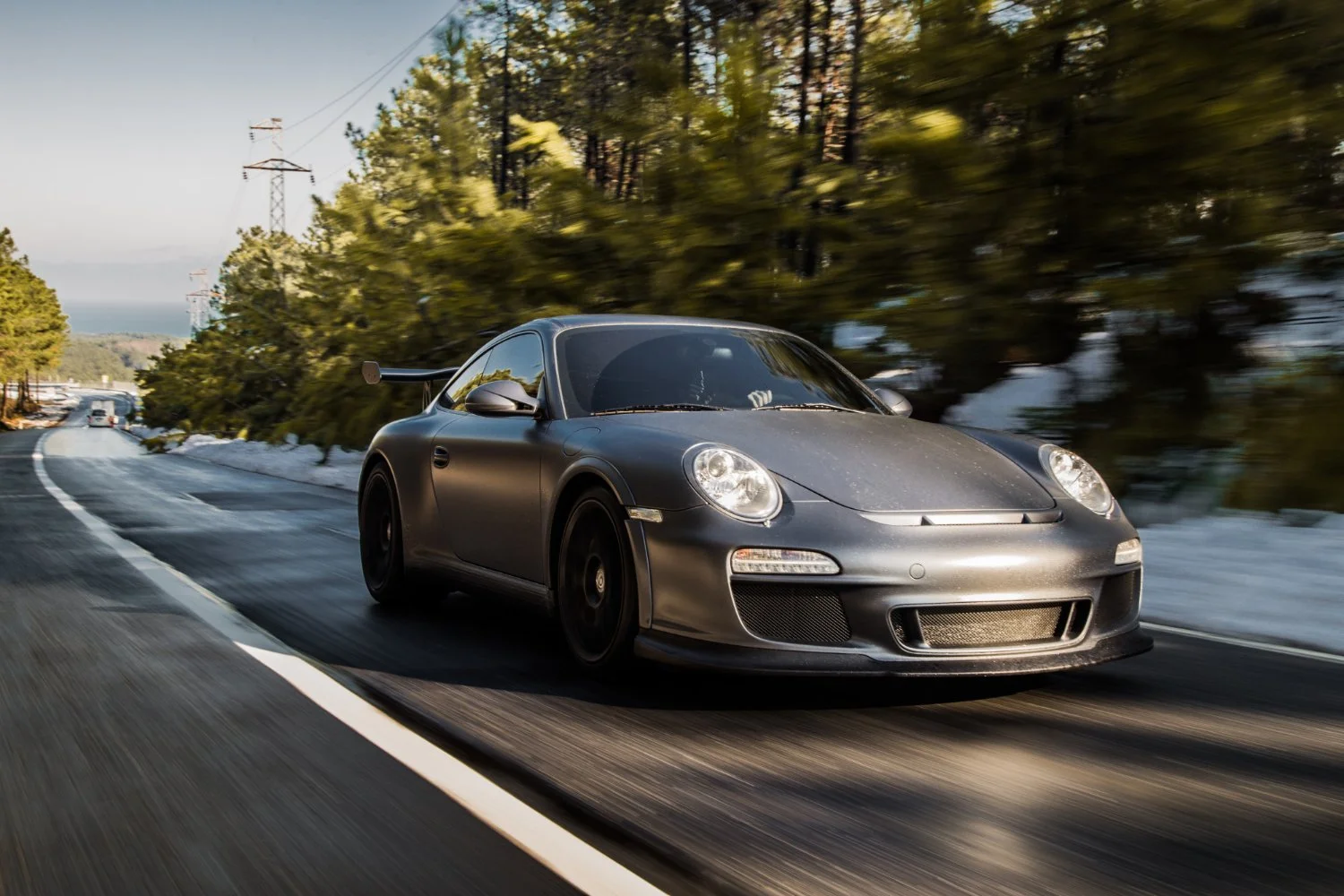
There are car events that feel like shopping, and there are car events that feel like liturgy. Luftgekühlt, even as it has grown, still belongs firmly to the second category.
That distinction matters. Plenty of events can assemble valuable cars. Far fewer know how to create atmosphere around them. Luft does, and that is why it continues to resonate so deeply. It is not simply a Porsche gathering. It is a conversation about memory, design, use, and belonging, told through some of the most emotionally durable cars ever built.
Porsche people have always been unusually fluent in the language of nuance. They can lose an afternoon discussing seat cloth, ride height, wheel finish, steering texture, intake sound, and the exact era in which a given 911 felt most alive at the nose. To outsiders this can seem obsessive. To insiders it is simply a form of respect.
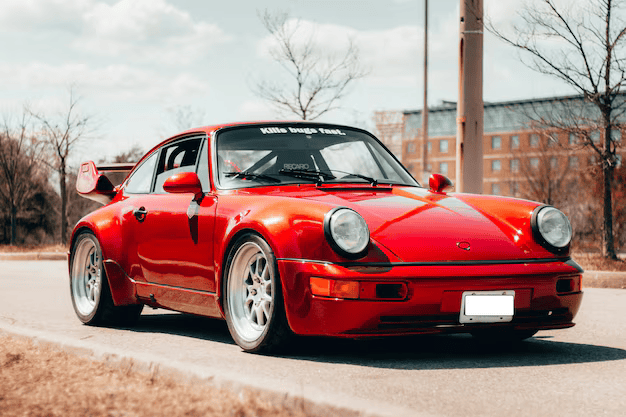
Luft’s brilliance is that it turns that respect into staging. The event does not treat cars as inventory. It treats them as artifacts of a living culture. That is a critical difference. A great air-cooled 911 is rarely interesting only because of mileage or rarity. It is interesting because of what it has become. The traces of ownership. The subtle edits. The roadwear. The choices made over decades. The faint suggestion that this car has lived several lives and still has more to give.
That is why air-cooled Porsche culture remains so emotionally potent. The cars have memory in them. They record their owners. They react to time. They invite interpretation in a way many modern performance cars no longer do. A new supercar can be stunning, but it often arrives finished, sealed, complete. An older 911 feels more open-ended. It becomes more compelling as it absorbs life.
And Porsche, to its credit, continues to understand the value of this heritage. The company’s modern lineup grows ever more sophisticated, but the emotional center of the brand still draws from the old air-cooled years, especially moments like the 993 era, when engineering precision met a certain analog alertness that is difficult to replicate and impossible to fake.
The genius of Luft is that it does not over-explain any of this. It simply presents the evidence. A 911 parked in the right space, under the right light, with the right signs of use, can say more than any brand campaign. You walk through the event and are reminded that the best cars are not always the fastest or newest. Sometimes they are the ones that smell faintly of oil, wool, and a very specific decade.
In an automotive culture increasingly defined by acceleration, software, and spectacle, Luft offers something slower and in many ways more valuable. It offers atmosphere. It offers continuity. It offers a reminder that the relationship between person and machine can deepen over time instead of being replaced by the next thing.
That is why the event matters. Not because it is nostalgic, but because it makes a convincing argument that memory itself is part of the appeal.
And in the best cars, memory is not a flaw. It is the point.
