Bentley Supersports and the Return of the Proper Grand Tourer
Bentley’s latest Supersports does more than revive a badge. It reminds us what a grand tourer is supposed to feel like when speed and occasion still belong in the same sentence.
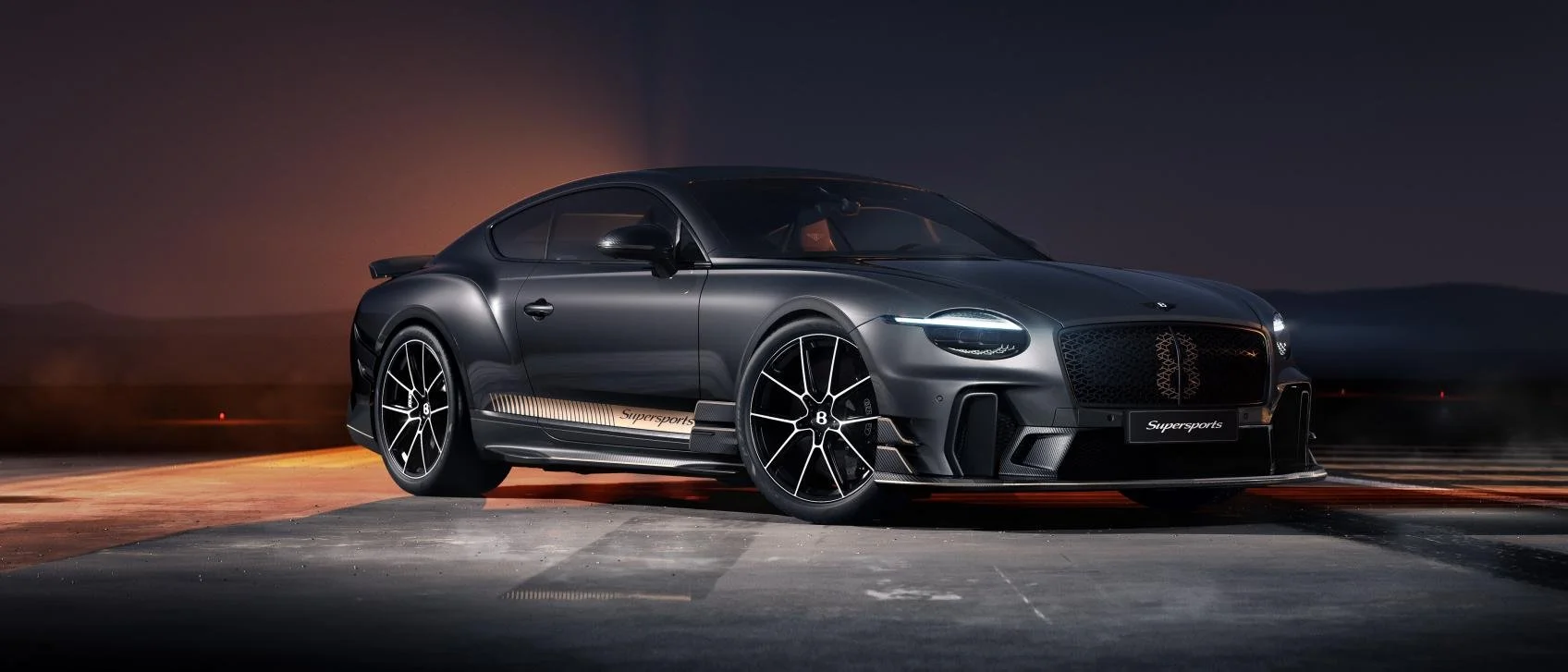
In an era when so many luxury manufacturers seem compelled to explain themselves in terms of batteries, software layers, and lifestyle ecosystems, Bentley did something refreshingly old-fashioned. It brought back the Supersports name and, more importantly, gave it a clearer sense of purpose.
That matters because the modern grand tourer has become a strangely diluted thing. The original formula was simple and brilliant: speed, comfort, elegance, and enough charisma to make distance feel cinematic rather than procedural. Somewhere along the way, many GT cars became too heavy, too busy, or too eager to impersonate sports cars they were never meant to be.
The new Supersports feels like a corrective. It suggests that Bentley remembers genre. That may sound like faint praise, but in 2025 it is actually rather meaningful. Genre is one of the first things the modern automotive world tends to blur. Everything becomes a little more capable, a little more digital, a little more all-purpose, until the edges that once defined a car begin to soften.
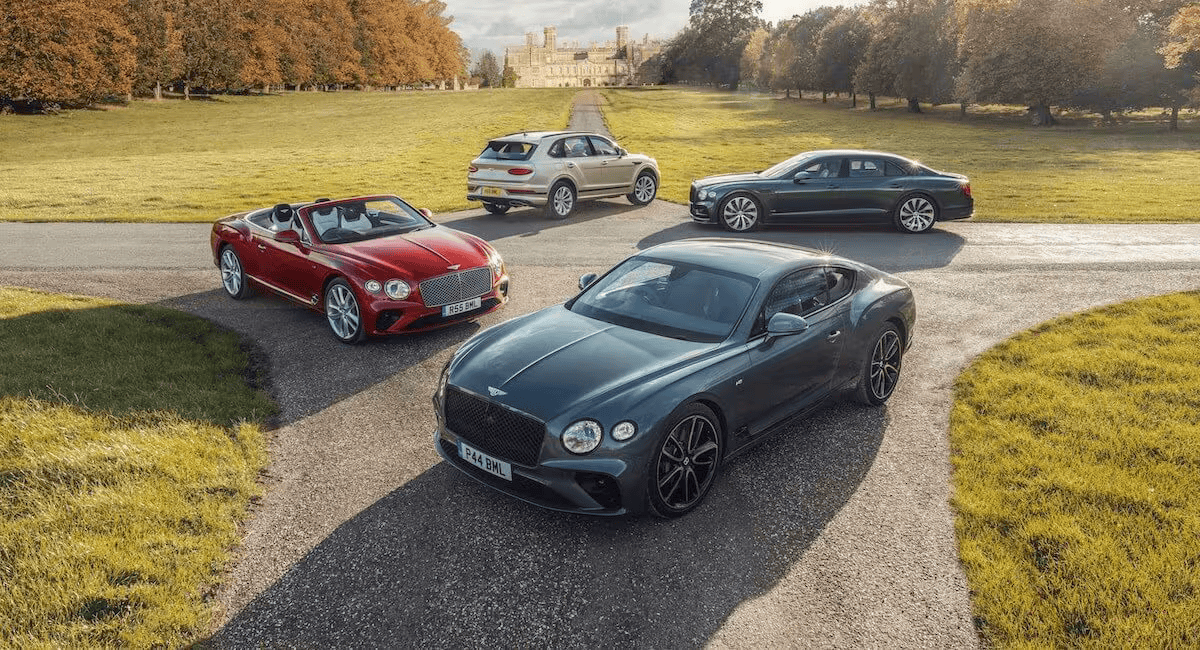
The best grand tourers should not feel generic. They should feel composed. Fast, certainly, but not frantic. Powerful, but with the confidence to avoid shouting. A proper Bentley has always been less like a sports car in eveningwear and more like a private jet in a well-cut suit. The attraction is not only speed. It is how the speed is delivered.
That is why the return of a more driver-focused Supersports is interesting. It suggests a willingness to edit. To subtract. To sharpen. In modern performance culture, that kind of restraint can feel almost rebellious. Not everything needs to be all-wheel drive. Not every flagship must be engineered to flatter everyone all the time. Sometimes the most compelling choice is to make a car more specific.
Bentley’s timing is also notable. The broader luxury market is in a moment of transition, with brands balancing electrified futures against the reality that many enthusiasts still respond most strongly to tactility, proportion, and mechanical character. The Supersports sits squarely in that tension. It does not reject the future. It simply makes the case that the old virtues still have value.
And they do. A great grand tourer is not about aggression for its own sake. It is about scale, ease, and a kind of speed that settles into the body rather than assaulting it. The best ones make you want to go farther, not just faster.
That is what makes Bentley’s move feel significant. Not because the badge is back, but because the idea behind it is back. The notion that a car can be luxurious and disciplined, opulent and focused, dramatic and deeply usable.
The segment has not always remembered that lately. Bentley, for the moment, appears to.
