Formula 1 Is Back: New Rules, Smaller Cars, and Two New Names That Matter
With Audi arriving, Cadillac entering the fold, and the 2026 regulations reshaping the cars themselves, Formula 1 begins a season that feels genuinely consequential.
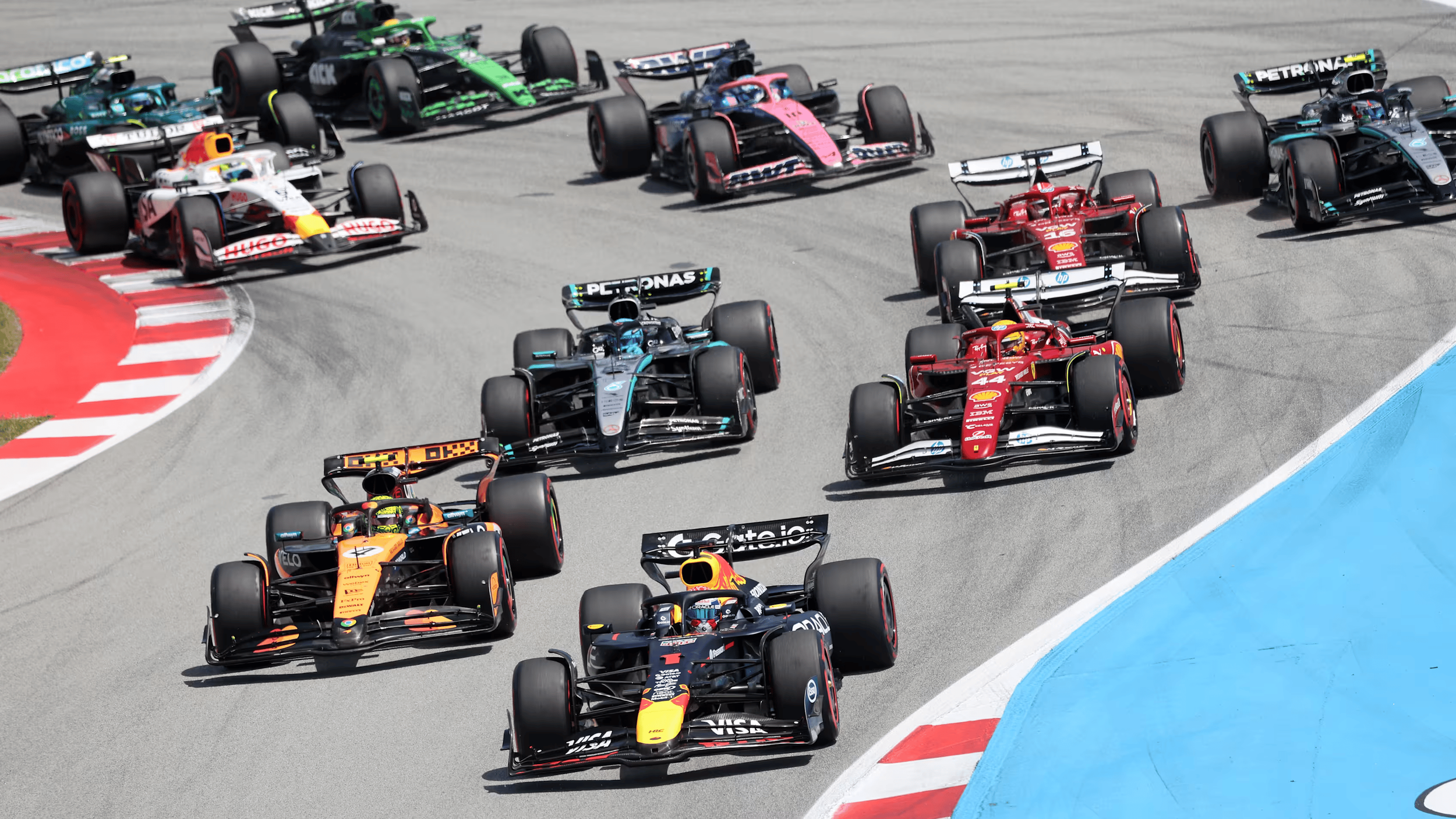
Formula 1 is back, and this time the reset appears meaningful enough to matter.
The sport has promised reinvention before, of course. Every few years Formula 1 presents a new rules package with the confidence of a man unveiling a miracle diet. Sometimes the changes alter everything. Sometimes they merely rearrange the furniture. The 2026 era looks more substantial.
The cars are smaller and lighter. Active aerodynamics take on a more prominent role. The power units move toward a more equal balance between internal combustion and electric contribution, while sustainable fuel becomes part of the sport’s central identity rather than a side note. On paper that can all sound a little clinical. In practice, the goal is fairly simple: make the cars more agile, more relevant, and more strategically interesting without sanding away the theatre.
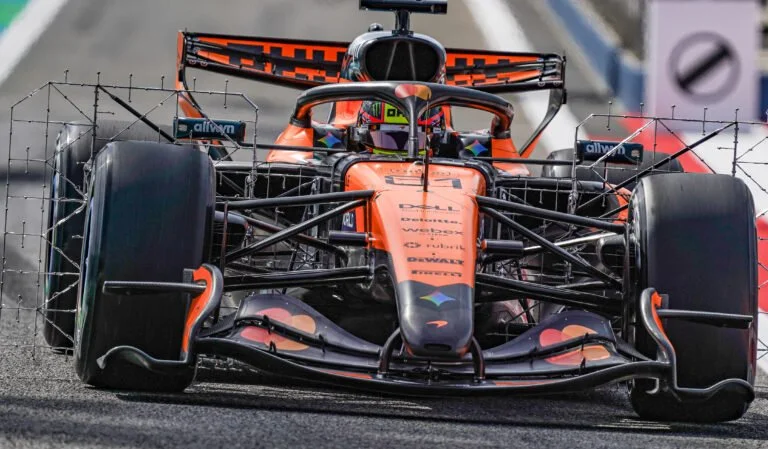
That is a delicate balancing act. Formula 1 must always be several things at once. It must be technologically serious, politically loaded, commercially powerful, and emotionally explosive. When one of those qualities dominates too fully, the sport can become distorted. Too technical and it goes cold. Too theatrical and it loses credibility. The best seasons are the ones that hold both.
The 2026 regulations at least suggest that the sport is trying to restore some agility, both literal and conceptual. Recent cars have looked impressive but also enormous, like guided missiles attempting to dance in city streets. A smaller, lighter Formula 1 car is not just a technical revision. It is an aesthetic and emotional one. It promises a little more delicacy, a little more unpredictability, a little less visual inertia.
Then there are the two names that make this season especially compelling.
Audi arrives with the sort of seriousness that only a major German manufacturer can summon. It does not enter motorsport to be seen participating. It enters to industrialize performance. That has always been Audi’s way. The appeal of the project is not romance in the classic sense, but competence sharpened into ambition.
Cadillac, by contrast, carries a different sort of charge. Its entry feels symbolic as well as competitive. One of America’s most historically resonant luxury-performance brands has decided that Formula 1 is worth the risk, the money, and the engineering reputation involved. That matters. It changes the emotional texture of the grid. Audi represents inevitability. Cadillac represents aspiration and, perhaps, reinvention.
Together they make the sport feel newly interpretable. That may be the most interesting thing of all. A new rules era is only partly about lap time. It is also about meaning. Which teams seem fresh. Which brands feel credible. Which ideas of performance now make sense on the world stage.
Formula 1 returns every year, but not every year feels like a hinge moment. This one might.
And that is why it deserves attention beyond the usual preseason noise.
